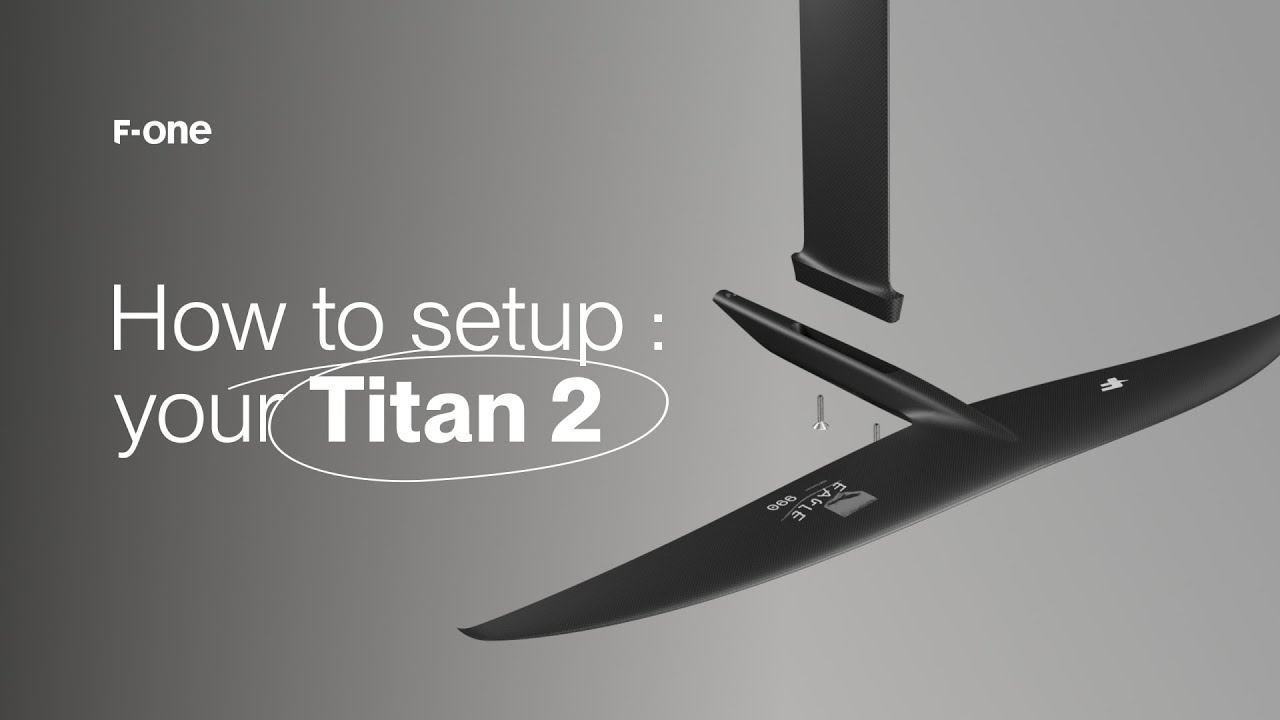
F-One TITAN 2: the new 2026 foil connection
F-One's TITAN 2 connection replaces the original TITAN system across their entire 2026 foil range. This new design features two M8 screws instead of three M6 screws. This delivers enhanced stiffness and control, and it also ensures reliability. After eight years, F-One has evolved the core of its foils with a completely redesigned structural connection. We'll break down what's new, how it impacts your current gear, and how to set up your TITAN 2.
The TITAN 2 connection is F-One's new standard for linking the mast to the Front Wing.
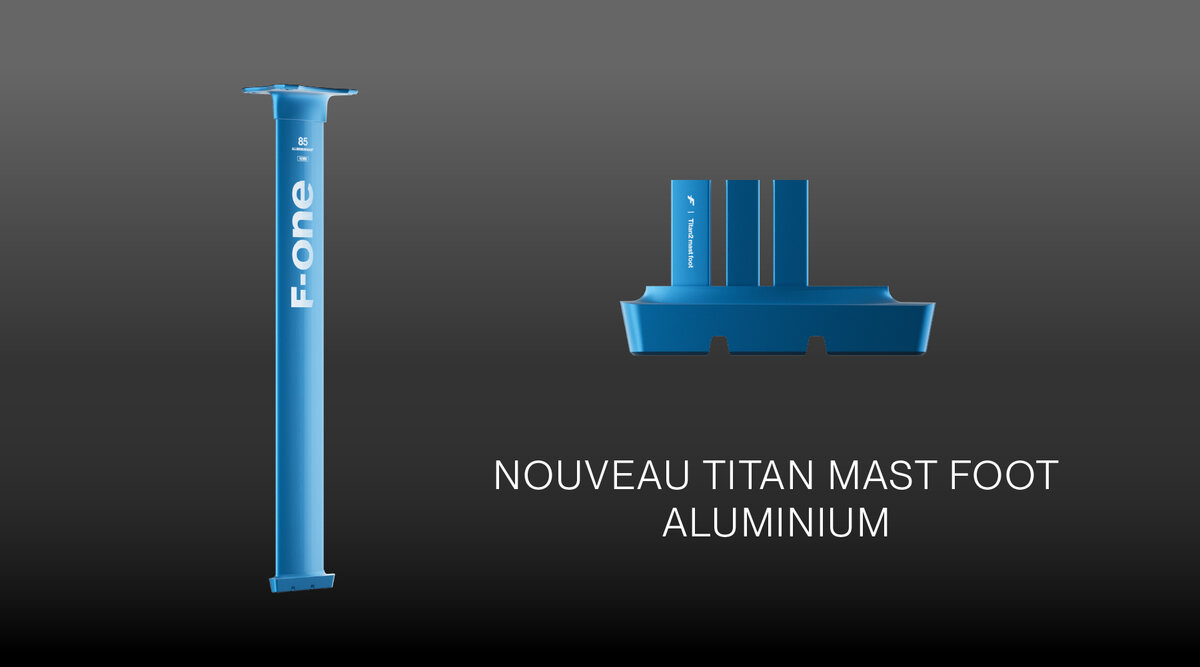
The TITAN 2 uses two M8 x 25 mm screws, a change from the TITAN 1's three M6 x 32 mm screws. This creates a stiffer connection and optimizes energy transfer. If you're riding an aluminum mast, you'll only need to swap out the mast foot (€120). For carbon masts, you'll need a new mast and new Front Wings. FCT foils are not affected by this change.
What is the TITAN 2 connection?
The heart of the F-One foil
For eight years, the TITAN connection has been central to all F-One foils. It's the crucial link between the mast and the Front Wing, directly influencing the overall stiffness and the quality of your ride feel. With the TITAN 2, F-One has completely re-engineered this connection while keeping the signature thin hydrodynamic design the brand is known for.
A structural change
The primary change is structural: the system moves from three M6 x 32 mm screws to two M8 x 25 mm screws. This means fewer screws, but a larger diameter and a reinforced connection that eliminates mechanical play. The mast foot now sits directly against the base of the Front Wing. This creates a unibody connection between the mast and the lifting surface.
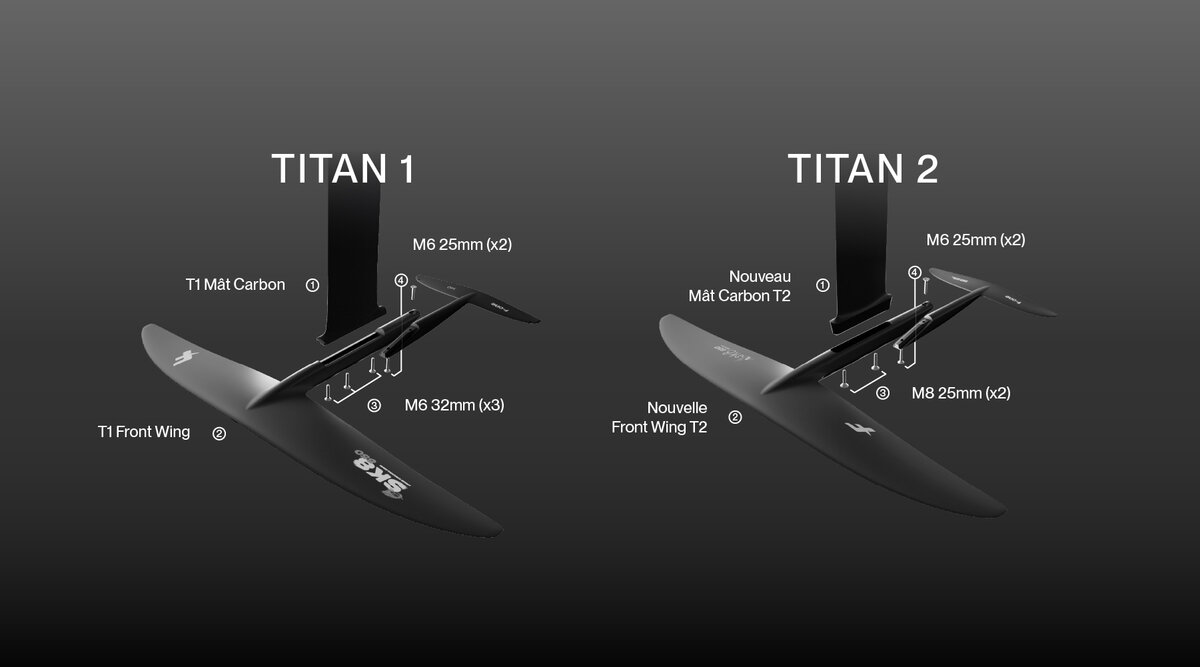
| Feature | TITAN 1 | TITAN 2 |
|---|---|---|
| Connection screws (mast → Front Wing) | 3× M6 32 mm | 2× M8 25 mm |
| Top screws | 2× M6 25 mm | 2× M6 25 mm |
| Connection tightening torque | 12 N.m | 25 N.m |
| Top tightening torque | 12 N.m | 12 N.m |
| Fuselage profile | Thin hydrodynamic | Thin hydrodynamic (unchanged) |
| Cross-generation compatibility | - | Not backward compatible |
Why F-One redesigned the connection
Changing a standard that has performed for eight years is a significant decision. To understand what drove F-One to make this leap, the R&D team recently shared the behind-the-scenes development of the TITAN 2.
A legacy designed for aluminum
The original TITAN connection was conceived when F-One foils were exclusively aluminum. The entire socket geometry was designed around the properties of this material. When carbon masts emerged, F-One retained the same connection, but the adaptation wasn't seamless. Carbon has different mechanical constraints, and making the TITAN 1 work with this material was always a compromise.
Instead of a complete overhaul, engineers initially explored every possible optimization: improving screws, layups, inserts, and contact profiles. Each component was pushed to its limits. Despite these iterations, rider feedback was consistent: the connection remained the system's weak link. It prevented riders from fully utilizing the potential of the Front Wings and masts, which continued to advance. At this point, a fundamental change became unavoidable.
The hydro challenge: stiffness without sacrificing drag
The TITAN 1 was renowned throughout the community for one key advantage: its exceptionally low drag, thanks to a particularly thin hydrodynamic fuselage. Designing a stiffer connection without compromising this benefit required a delicate balance between structural integrity and hydrodynamic performance.
The R&D team worked closely with Charles, F-One's hydrodynamic engineer. They ran CFD analyses on fuselage dimensions, prototyped with 3D printing, and then hit the water for test sessions with team riders. Through these iterations, they discovered the fuselage doesn't just affect DRAG; it directly influences the foil's handling. This unexpected parameter required extra work to match the turning agility of the TITAN 1.
Designed for Real-World Riding
Beyond pure performance, F-One built practical considerations into the TITAN 2 socket design. The connection's sweep angles serve multiple functions. First, they make assembly intuitive: you can't mix up the front and back during setup. Second, these angles allow for easy disassembly, even after intense sessions, without needing a mallet to separate the parts.
There's also a longevity advantage. With vertical-walled connections, the mast and fuselage surfaces rub against each other under stress, leading to rapid wear. The TITAN 2's angled walls provide a more progressive insertion. This significantly reduces friction and extends the lifespan of the entire assembly.
Initial Field Feedback
From the first functional versions, F-One team testers noticed an immediate change: they could ride higher on the mast, with the foil closer to the surface. This is a clear indicator of increased stiffness. A stiffer, more secure foil lets you reduce your flight height, which in turn decreases the DRAG of the submerged mast.
The direct result is a cascade of benefits: better pumping, more precise turns, and more potential to exploit in every session. The entire foil's behavior improves, whether you're winging, surfing, or downwinding. This concrete gain, validated on the water by team riders, confirmed the TITAN 2 delivered on its promises even before production began.
The 5 On-Water Benefits
The TITAN 2 is more than just a screw change. The two M8 vis and the new contact geometry fundamentally alter the foil's behavior. Here's what you'll feel:
- Optimized energy transfer: the M8 connection reduces micro-flex at the mast/wing junction. Your foot pressure energy transfers directly into the foil, without loss. This makes every pumping stroke more efficient.
- Better control: less mechanical play means more precision in your foot pressure. You'll feel what the foil is doing under your feet more clearly, and your corrections transmit instantly.
- More direct feel: the increased stiffness of the junction creates a "monobloc" foil sensation. Feedback is immediate, so you know exactly what's happening underwater.
- Increased reliability: two larger diameter M8 screws withstand stress better than three M6 screws. This means less risk of loosening, less wear over time, and less care.
- Overall comfort: eliminating parasitic vibrations at the connection results in a smoother, more stable ride, whether on long reaches or wave surfing.
Compatibility: What Does This Mean for Your Gear?
This is the question every F-One user is asking. The answer depends on your current setup. Here are the three scenarios:
Aluminum Mast: Simple and Economical
If you ride with an F-One aluminum mast, the transition is straightforward. Simply replace your mast foot with the new TITAN 2 compatible Titan Mast Foot. Your aluminum mast stays the same; only the mast foot changes. The update cost is €120.
Carbon Mast: A More Significant Change
For carbon mast users, the transition is more substantial. The TITAN 2 connection is integrated into the mast, so you'll need to replace both your carbon mast and your Front Wings with TITAN 2 compatible versions. There is no adapter; this is a deliberate choice by F-One to ensure the new connection's optimal performance.
FCT Foils: No Changes
If you own an FCT (Foil Compression Technology) foil, this change doesn't affect you. The FCT system uses a different connection that isn't impacted by TITAN 2. Similarly, Monobloc Tails stabilizer are unaffected.
| Current Configuration | What Changes | Estimated Cost |
|---|---|---|
| Aluminum mast + TITAN 1 | Replace mast foot only | €120 |
| Carbon mast + TITAN 1 | New carbon mast + new Front Wings | Varies by model |
| Foil FCT | None, not applicable | €0 |
| Monobloc Tails | None, not applicable | €0 |
No TITAN 1 → TITAN 2 adapter
F-One doesn't offer an adapter between the two generations. TITAN 1 carbon masts are not compatible with TITAN 2 Front Wings, and vice versa. Keep this in mind when you're upgrading your gear.
Great deal: TITAN 1 Front Wings on sale
With the TITAN 2's arrival, the entire range of TITAN 1 connection Front Wings is now on sale. This is the perfect time to complete your quiver or grab some new gear at a reduced price.
How to Assemble the TITAN 2
Step-by-Step Assembly
Assembling the TITAN 2 is straightforward, but you need to follow a few precise steps. Start by inserting the Front Wing onto the mast foot. Make sure the mounting holes align. Apply downward pressure to ensure a perfect fit between the mast foot and the wing's fuselage. You should feel a solid connection.
Next, place the two M8 screws into the mounting holes. Then, progressively tighten them by alternating between the front and rear screws, using small increments. Never fully tighten one screw before the other. Once you've achieved a good pre-tightening, finish with the rear screw, then the front screw. As you tighten, the mast foot will descend and press against the wing's base; this is normal and exactly what you want.
Disassembly and Torque Settings
For disassembly, unscrew the wing and stabilizer assembly, leaving the mast on the board. The fit is very tight, so separating the wing assembly from the mast can be tricky. If it's stuck, hold the fuselage with one hand and tap lightly upwards on the stabilizer. The wing assembly will pivot forward and disengage from the mast.
Torque Settings
M8 screws (TITAN 2 connection): 25 N.m
M6 screws (top): 12 N.m
Do not overtighten to the point of damaging the screw heads. Always use a torque wrench.
Required equipment
TITAN 2 mast (carbon or aluminum with TITAN 2 mast foot) · TITAN 2 Front Wing · 2 M8 screws (included) · Suitable Torx key · Torque wrench recommended.
The F-One 2026 foil range
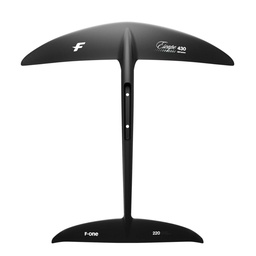
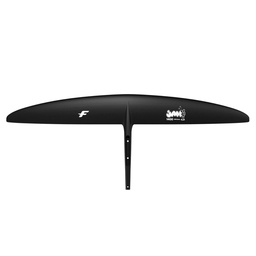
The TITAN 2 connection is featured across the entire F-One 2026 foil range. Whether you're into freeride, surf, performance, or downwind, every model benefits from this new connection:
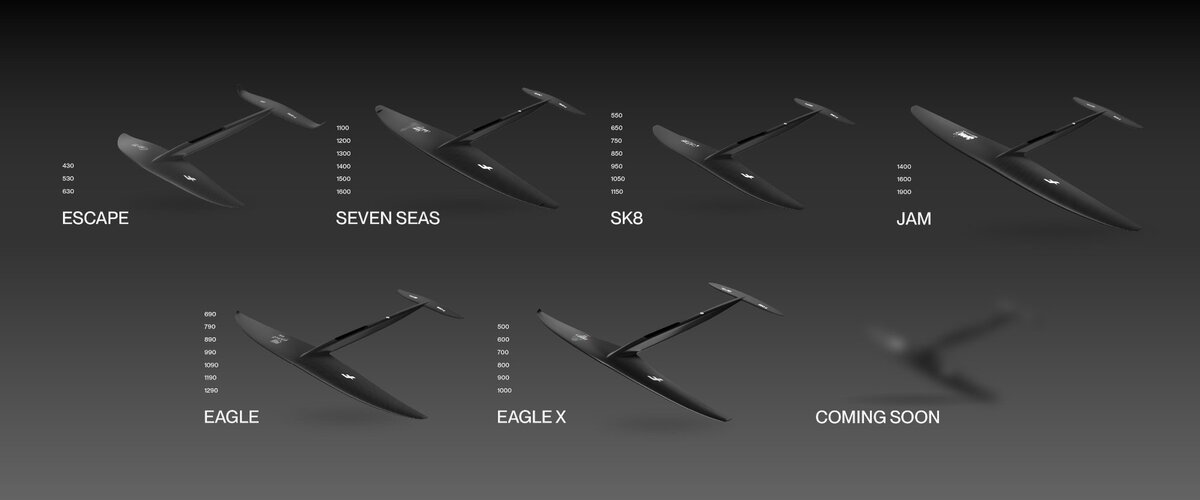
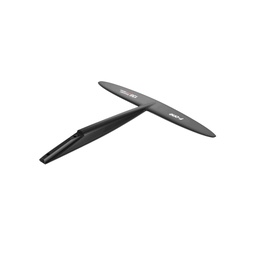
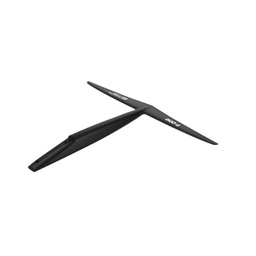
TITAN 2 Front Wings
Stabs (stabilizers)
F-ONE Tail Pumping 2026
340.00 €
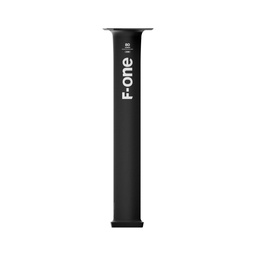
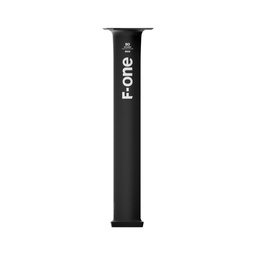
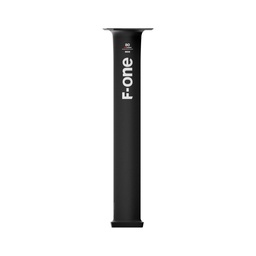
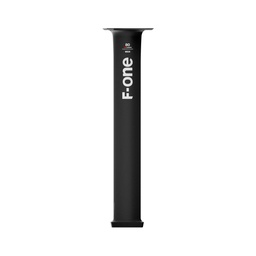
TITAN 2 carbon masts
TITAN 2 Accessories
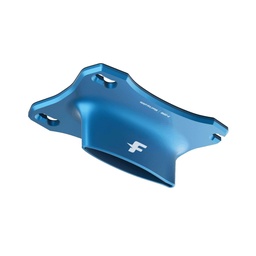
F-ONE Mast Top Plate 2026
130.00 €
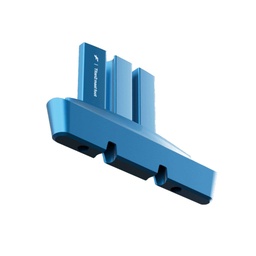
F-ONE Titan T2 Mast Foot 2026
120.00 €
Frequently Asked Questions
Is TITAN 2 backward compatible with TITAN 1?
No. The two systems use different screw sets and geometry (M8 vs M6). There is no adapter. TITAN 2 wings do not mount on a TITAN 1 mast, and vice versa.
I have an F-One aluminum mast, what do I need to change?
Only the mast foot. The Titan Mast Foot TITAN 2 is available for €120 and fits your existing aluminum mast. This is the simplest and most economical transition.
Is my FCT foil affected by TITAN 2?
No. FCT (Foil Compression Technology) foils use a different connection system that is not impacted by the transition to TITAN 2.
What is the tightening torque for TITAN 2?
The M8 screws of the TITAN 2 connection tighten to 25 N.m. The upper M6 screws remain at 12 N.m. Use a torque wrench to respect these values and avoid damaging the screw heads.
When will the TITAN 2 be available?
The TITAN 2 connection will be available from February 2026 at partner retailers, including GlissEvolution in Pornichet. It equips the entire F-One 2026 foil range.
Was the TITAN 1 faulty?
No. The TITAN 1 proved its reliability for 8 years. But the rest of the foil (wings, masts, layups) continued to improve, and the connection became the limiting factor. The TITAN 2 removes this performance ceiling to fully exploit the potential of current components.
Why switch from 3 screws to 2 screws?
The 2 M8 screws offer a larger contact surface and superior resistance compared to the 3 M6 screws. The larger diameter allows for more powerful tightening (25 N.m vs 12 N.m) while reducing the number of attachment points. This simplifies assembly and strengthens overall stiffness.
Need advice on the TITAN 2?
Our team knows the F-One range inside and out. We'll help you understand what's changing for your setup and plan your transition to the TITAN 2, whether you're winging, surfing, or downwinding.
Make an appointmentCall usEmail us
Sources: Official F-One documentation and tutorials ("How to setup your TITAN 2-inch and "TITAN 2 - Why and How" videos). Compiled and formatted by GlissEvolution.
 F-ONE