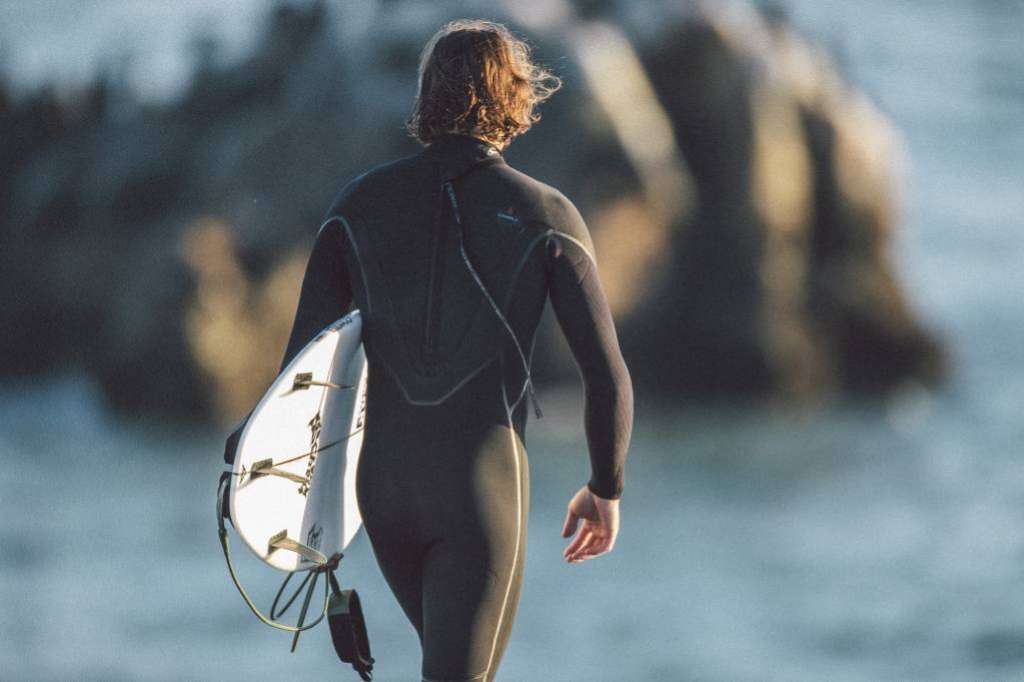
Wetsuit: how to choose one for kitesurfing, wingfoiling, or surfing
Choosing a wetsuit always starts with water temperature. Your riding discipline comes next, and it matters more than you might think: on the same spot, on the same day, a kitesurfer and a surfer won't feel the cold in the same way. Here are the thickness guidelines, then what changes depending on whether you're riding a kite, a wing, or paddling on a surfboard.
A neoprene wetsuit keeps you warm thanks to a thin layer of water trapped against your skin, which your body warms, and to the air bubbles enclosed in the neoprene. Its thickness is written in two numbers: a 4/3 wetsuit is 4 mm on the torso and 3 mm on the arms and legs. The colder the water, the more thickness you need, and the more flexibility you lose.
Quick Guidelines
- Water between 12 and 17 °C: a 3/2 or a 4/3 wetsuit.
- Water between 8 and 11 °C: a 4/3 or a 5/4 wetsuit.
- For water between 4 and 7 °C, use a 5/4 or a 6/5 wetsuit, with hood and gloves. Boots are also required.
- In kitesurf and wingfoil, the wind cools you more than the water. Always allow for a margin.
Table of Contents
- What Thickness for What Water Temperature?
- Kitesurf and Wingfoil: Wind Changes the Calculation
- Surf: Paddling and Waiting
- On the Atlantic: Which Wetsuit for Which Season?
- Zip, Seams, Lining: The Details That Matter
- Finding the Right Size
- Accessories That Extend Your Season
- Things to Consider Before Buying
What thickness based on water temperature?
The first number indicates the thickness of the torso, the area that needs to stay warm. The second number indicates the thickness of the arms and legs, which is thinner to allow for movement. Some wetsuits show three numbers, like the Ride Engine RE_X 5/4/3 or Manera in 5,4,3 mm. The third number refers to the thinnest areas, where the brand wants the most flexibility.
For temperature, we rely on the table published by O'Neill in their thickness guide. The last column is our shop's recommendation.
| Water Temperature | Recommended thickness | Indicative Season | Additional items to consider |
|---|---|---|---|
| 18 to 20 °C | 2 mm or shorty | Summer | A neo top if the wind is chilly |
| 12 to 17 °C | 3/2 or 4/3 | Spring, early autumn | Boots if you get cold easily |
| 8 to 11 °C | 4/3 or 5/4 | Autumn, late winter | Boots, hood as soon as it gets windy |
| 4 to 7 °C | 5/4 or 6/5 wetsuit, integrated hood | Winter | Gloves and boots |
| Below 3 °C | 7mm and thicker | Extreme cold | Complete gear |
Between two lines of the table, three things tip the scales: the wind, the duration of your session, and your cold tolerance. A wetsuit that is too thin means a shortened session and numb fingers. Too thick, it fatigues the shoulders, and you still come in earlier.
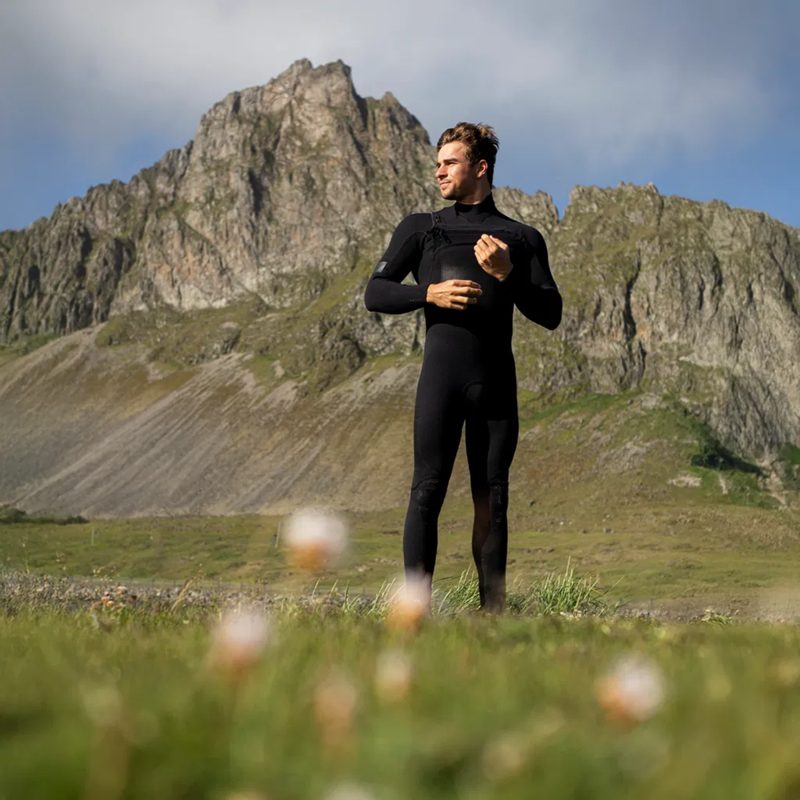
Kitesurf and wingfoil: wind changes the calculation
O'Neill points this out in the same guide: in kitesurf or windsurf, you spend most of your time out of the water. A surfer, however, stays in almost constantly. Wind and air temperature therefore matter more for kitesurfers and windsurfers. With cold water and mild air, a kitesurfer can get away with a thinner wetsuit than a surfer. With still mild water and cool air, it's the opposite; you need a thicker wetsuit. September and October on the Atlantic often fall into this second case.
Kitesurf: free shoulders, waist takes the impact
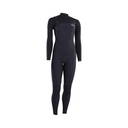
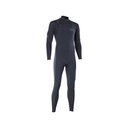
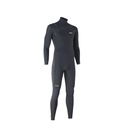
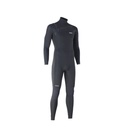
You're on the water for hours, holding the bar, and your harness digs into the same spot every session. You need a wetsuit with super flexible neoprene in the shoulders and arms. It also needs to fit snugly around your stomach, right where the harness rubs. Check out the ION Seek Core 4/3 front zip, the Ride Engine RE_X 5/4/3, or the O'Neill Hyperfreak Wind 4/3.
Wingfoil: upper body in full wind
When wing foiling, you're standing on your board, arms raised to hold the wing, and you're wet and exposed to the wind from start to finish. Your torso and back can get cold fast. A thermal lining in this area is more effective than an extra millimeter of neoprene on your legs. Your shoulders need to handle pumping without strain. During the learning phase, you'll be falling often, so warmth is more crucial than flexibility. The ION Seek Amp 5/4 front zip meets these demands for winter sessions: it features Graphene_Plush thermal lining on the back and highly stretchy Max_Flex neoprene on the chest and shoulders. For women, the ION Amaze Amp 4/3 front zip offers a similar design, with Plasma_Plush lining on the back, perfect for mid-season.
Surf: paddling and waiting
Surfers spend their sessions either lying down paddling or sitting, waiting for a set, almost always in the water. Shoulder flexibility is key for comfortable paddling. Staying warm while stationary dictates how long your session lasts. A front zip, also known as a chest zip, frees up your back and minimizes water entry when you duck under waves. Reinforced knees are crucial for absorbing the impact of take-offs and kneeling on your board.
Here are two top picks from our range: the ION Seek Core 5/4 front zip for those chilly winter sessions, and the incredibly flexible O'Neill Hyperfreak 3/2 chest zip for warmer weather.
Atlantic Coast: which wetsuit for which season?
Here in La Baule and Pornichet, sea temperatures drop to around 8.9 °C in mid-February and rise to about 19.1 °C in early August (multi-year averages from climate-data.org). Over ten years of data, seatemperature.info shows an average of 9.5 °C in winter, 12.2 °C in spring, 18 °C in summer, and 15.6 °C in autumn. Cross-referencing this with O'Neill's chart, we recommend:
- In summer, a shorty or a 3/2 wetsuit. Opt for the 3/2 as soon as the wind picks up.
- In spring and autumn, a 4/3 wetsuit.
- In winter, a 5/4 wetsuit with boots, and a hood or gloves depending on the wind and your session duration.
If you're only buying one wetsuit for riding from April to November on the Atlantic coast, make it a 4/3. For winter, you'll need an additional winter wetsuit, and your 4/3 will then serve as your 4/3 wetsuit.
Zip, seams, lining: the details that matter
The zip. A back zip is easier to get into, but its long closure lets in more water and can stiffen your back. A front zip (or chest zip) offers better waterproofing and flexibility, though it takes longer to put on, especially when the wetsuit is wet. For winter and all three disciplines, we recommend a front zip. Some brands feature their own systems, like Prolimit's Freezip or Manera's U-Zip.
The seams. For a 4/3 or 5/4 wetsuit, look for glued and blind-stitched seams. The needle doesn't penetrate the neoprene, so water can't get through. Flatlock seams, which do penetrate, are found on shorties and summer models, where water entry isn't an issue.
The linings. A thermal lining on the torso and back adds warmth without increasing thickness, preserving flexibility. Drying times vary by model, so check this if you plan on multiple sessions in a day.
Finding the right size
Your wetsuit should fit snugly against your skin without restricting your breathing. If it's too loose, water will circulate in air pockets and cool you down. If it's too tight, your shoulders will tire quickly, and getting it on becomes a struggle. Each brand has its own cut. Compare your height, weight, and chest measurement to the product sheet's guide, and consult our wetsuit size guide. The easiest way at our Pornichet store is to simply try on two sizes back-to-back.
Accessories that extend the season
To extend your season into autumn, boots and a hood are more cost-effective than a thicker wetsuit. Gloves become essential in winter, along with a hooded 5/4 wetsuit; O'Neill also recommends this setup. In summer, a neo top under your shorty is often enough when the wind picks up. And a poncho lets you change comfortably in the parking lot, away from the wind.
Your wetsuit will last longer if you rinse it with fresh water after every session and dry it in the shade. Find all the details in our wetsuit care guide.
Things to consider before buying.
The temperatures in the chart are a guide. Wind, air temperature, session length, and your personal sensitivity to cold can all mean you need a thicker or thinner wetsuit. Keep in mind that a thicker wetsuit weighs more when wet, and it can slightly restrict your arm movement. Looking at your budget, as of September 25, 2026, and at catalog price, our full wetsuits range from €160 (the ION Static 3/2) to €630 (the ION Seek Select 5.5/4.5 Hood). The price difference comes down to the flexibility of the neoprene, the lining, and the finish of the seams.
FAQ: choosing your wetsuit
What wetsuit thickness do you need for different water temperatures?
According to O'Neill's thickness guide: a 2 mm wetsuit or shorty is ideal for 18 to 20 °C, a 3/2 or 4/3 wetsuit for 12 to 17 °C, a 4/3 or 5/4 wetsuit for 8 to 11 °C, a 5/4 or 6/5 wetsuit for 4 to 7 °C, and 7 mm and above for temperatures below 3 °C. For kitesurf and wingfoil, the wind often means you'll want to size up to the next thickness.
Which Wetsuit to Choose for Kitesurf?
You need a wetsuit with flexible shoulders and arms that can handle harness friction at the waist. Make sure it's the right thickness for the water and wind conditions. On the Atlantic coast, a 4/3 wetsuit works for spring and autumn, while a 5/4 wetsuit is best for winter.
Which Wetsuit to Choose for Wingfoil?
For wingfoil, choose a wetsuit with a thermal lining on the torso and back, as the wind constantly hits your upper body. You also need very flexible shoulders for pumping. While you're learning and falling often, prioritize warmth.
Can You Kitesurf or Wingfoil with a Surf Wetsuit?
Yes, if the thickness is appropriate. A surf wetsuit is designed for in-water use. When exposed to wind, it might feel less warm, and a kite harness can rub on areas it doesn't always reinforce.
Front zip or back zip?
A back zip wetsuit is easier to put on, but its long closure in the back lets in more water. A front zip, also known as a chest zip, is more watertight and allows for greater flexibility in the back, though it takes a bit longer to put on. For winter, whether you're kitesurfing, wingfoiling, or surfing, we recommend a front zip wetsuit.
Which wetsuit lets you ride all year round on the Atlantic coast?
In La Baule, water temperatures range from about 9 °C in mid-February to 19 °C in early August. A 4/3 wetsuit covers most riders from April to November. A 5/4 wetsuit with boots and a hood takes over in winter, and a 3/2 wetsuit or a shorty is sufficient in mid-summer.
Need help choosing your wetsuit?
We'll guide you to the right thickness, cut, and brand based on your riding style, your local spots, and the season.
View the neoprene sectionContact usCall us
Sources and limitations: thickness guidelines are from the official O'Neill wetsuit thickness guide (consulted on 09/25/2026); water temperatures in La Baule are based on climate-data.org and seatemperature.info (consulted on 09/25/2026); GlissEvolution catalog prices were recorded on 09/25/2026. These guidelines are indicative; models and availability may change, as can sizes.