Maintaining your kite: what really wears it out
Caring for your kitesurf kite means protecting it from four main enemies: UV rays, sand, humidity, and the constant flapping of the Trailing Edge on the ground. None of these will destroy your kite in a single session, but they will age it season after season, leading to a noticeable loss of performance.
Winter is the ideal time to give your kite some care. This ensures you're ready for those spring sessions.
In summary
- Sand is the number one destroyer of kites: it works its way in, rubs against the fabric and seams, and eventually causes tears.
- UV rays are the second leading cause of aging. A Kite stored between sessions will last significantly longer.
- Never store a wet Kite: over time, the valves can detach.
- Do not store your Kite in a warm place: the thermal glue used can melt.
- Rinsing with fresh water is a hot topic, but never rinse if you can't dry it perfectly. A Kite wet with salt water is always better than one wet with fresh water.
UV: The Invisible Wear
Just like your skin, a kite's canopy needs protection from the sun, especially UV rays. This is one of the biggest factors that damages it over time. The solution is simple and free: whenever you take a long break out of the water, or when your session is over, put your Kite away. The less it's exposed to the sun when you're not riding, the more time you'll spend with it on the water.
The Flapping Trailing Edge
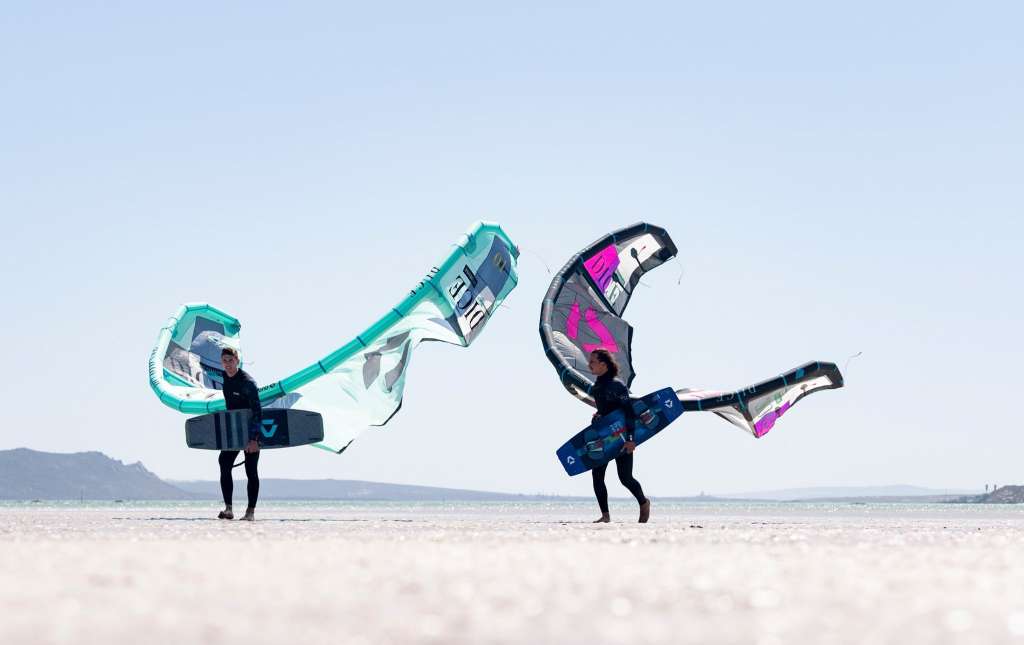
A Kite left on the beach nose to the wind will have its Trailing Edge constantly flapping. This flapping eventually leads to material breakdown, resulting in significant performance loss and changes to the fabric's porosity. When you're not using it, store it properly in its bag instead of letting it flap on the ground.
Sand: The True Kite Killer
Sand is by far the primary destroyer. It infiltrates, then rubs against the fabric and seams, weakening them and causing tears over time. The one action that makes all the difference: thoroughly brush your Kite with a soft brush when packing it away. If you deflate completely after each session, shake it well to remove as much sand as possible. In a bag, sand acts like sandpaper, especially if you stack your gear in the car.
Drying
Never store a Kite that is still wet or damp. Dry it as much as possible before putting it back in its bag. Leave it on the beach until it dries, and if that's not possible, take it out of the bag once you're home and let it air dry. A damp Kite enclosed in its bag is prone to several problems, including valve detachment, not to mention the odor caused by mold.
Storage
Store your Kite elevated to prevent insects or other pests from damaging it. Also, avoid excessively hot places. The glue used on kites is a thermal adhesive, which can melt under high heat. A temperate garage is better than a conservatory or a car trunk in the middle of summer.
Check-up and Minor Repairs
From time to time, take your Kite out of its bag, inflate it away from the wind, and inspect it carefully for tears. If the Leading Edge shows cuts or suspicious defects, have them properly repaired as soon as possible. For the canopy, small tears can be cleaned and repaired with self-adhesive ripstop spinnaker tape.
Also, check your lines and replace them if they are worn. To undo a knot: moisten the line, then gently tap it with a hammer. By repeating this dozens of times, the fiber gradually loosens. Then undo the knot with your fingernails; never use pliers, as you would damage the line.
Should You Rinse Your Kite with Fresh Water?
The debate exists. Some believe that a complete fresh water wash removes salt, whose abrasive effect is similar to that of sand. Others argue that salt preserves the Kite and prevents it from molding.
The rule everyone agrees on: do not rinse if you cannot dry perfectly. A Kite damp with salt water is better than one damp with fresh water. If you rinse, do so with the Kite inflated, at low pressure, thoroughly cleaning any accumulated sand, then let it dry completely away from direct sunlight.
| Enemy | What it causes | The right action |
|---|---|---|
| Sand | Rubs fabric and seams, causes tears | Brush with a soft brush before storing, shake after deflation |
| UV | Fabric aging, loss of strength | Put the Kite away during breaks; do not leave it in the sun on the beach |
| Trailing Edge flapping | Material breakage, performance loss, altered porosity | Do not leave the Kite nose to the wind on the ground; put it back in its bag |
| Humidity | Valve detachment, mold, odors | Always dry your Kite completely before storing it. Once home, take the Kite out of its bag. |
| Heat | Thermal glue can melt. | Store your Kite in a cool, elevated spot. Never leave it in a car trunk in direct sunlight. |
| Knot in a line. | A knot creates a weak point, leading to possible breakage under load. | Moisten the line, tap it with a hammer, then undo the knot with your fingernails. Never use pliers. |
Consider this
- No amount of care can fix structural damage. A cut on the Leading Edge requires professional repair, not just a ripstop patch. This part takes the most pressure.
- Self-adhesive ripstop is a temporary repair, best for small tears in the canopy. It won't hold on a long tear or one near a seam.
- The debate on rinsing is not settled, and it largely depends on your ability to dry your Kite. We won't offer a universal rule here.
- Even a well-maintained Kite still ages. The fabric loses its stiffness over the seasons. While care slows this process, it doesn't stop it.
Frequently Asked Questions
Should you rinse your kitesurf Kite with fresh water after every session?
This topic is debated: salt has an abrasive effect similar to sand, but it also inhibits mold. The only universally agreed-upon rule: never rinse if you can't dry your Kite perfectly afterward. A Kite wet with salt water is always better than one wet with fresh water.
What causes the most wear on a kite?
Sand is by far the biggest culprit. It infiltrates the fabric and seams, rubbing them and eventually causing tears. UV rays come next, followed by the flapping of the Trailing Edge when the Kite is left on the ground nose to the wind.
How should you store your kite for winter?
Store your Kite perfectly dry, elevated to avoid pests, and in a place that doesn't get hot. The glue on Kites is thermal and can melt. Take it out once a season to inflate and inspect it.
How do you untie a knot on a Kite line?
Moisten the line, then gently tap it with a hammer several dozen times. This gradually relaxes the fiber. Then, undo the knot with your fingernails. Never use pliers; they will damage the line.
Can you repair a tear on a Kite yourself?
For a small tear on the canopy, clean it and repair it with self-adhesive ripstop spinnaker tape. A cut or defect on the Leading Edge requires immediate professional repair. This part takes the most pressure.
Why should you not leave your kite on the ground during a break?
When left nose to the wind, the Trailing Edge constantly flaps. This flapping eventually causes material rupture, performance loss, and changes in the fabric's porosity. Storing your Kite in its bag remains the best habit.
Tips on lines and repairs come from Charles Harin at Charly's Workshop. The rest of our advice comes from the GlissEvolution workshop and what we see in after-sales support.
Need your Kite checked before the season?
We inspect the Leading Edge and seams. We also check the valves and lines. We'll give you an honest assessment of whether it's worth repairing or replacing.