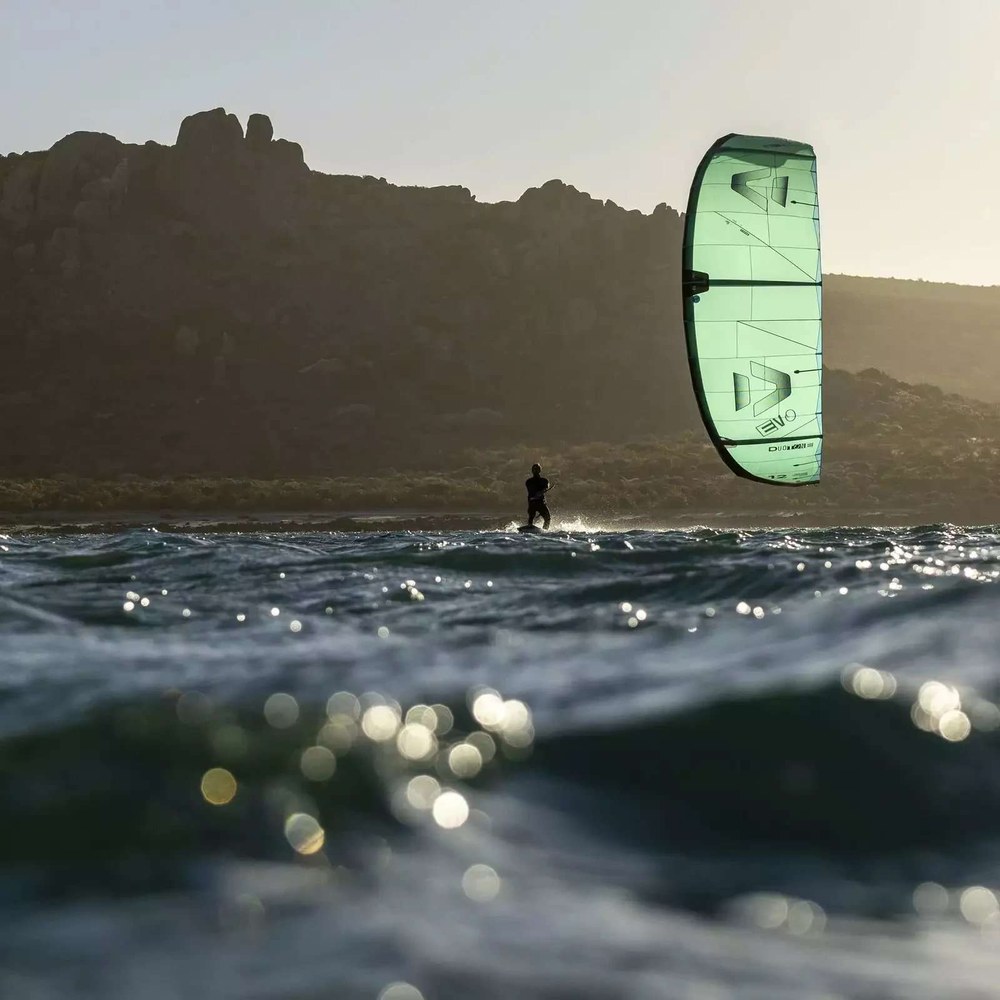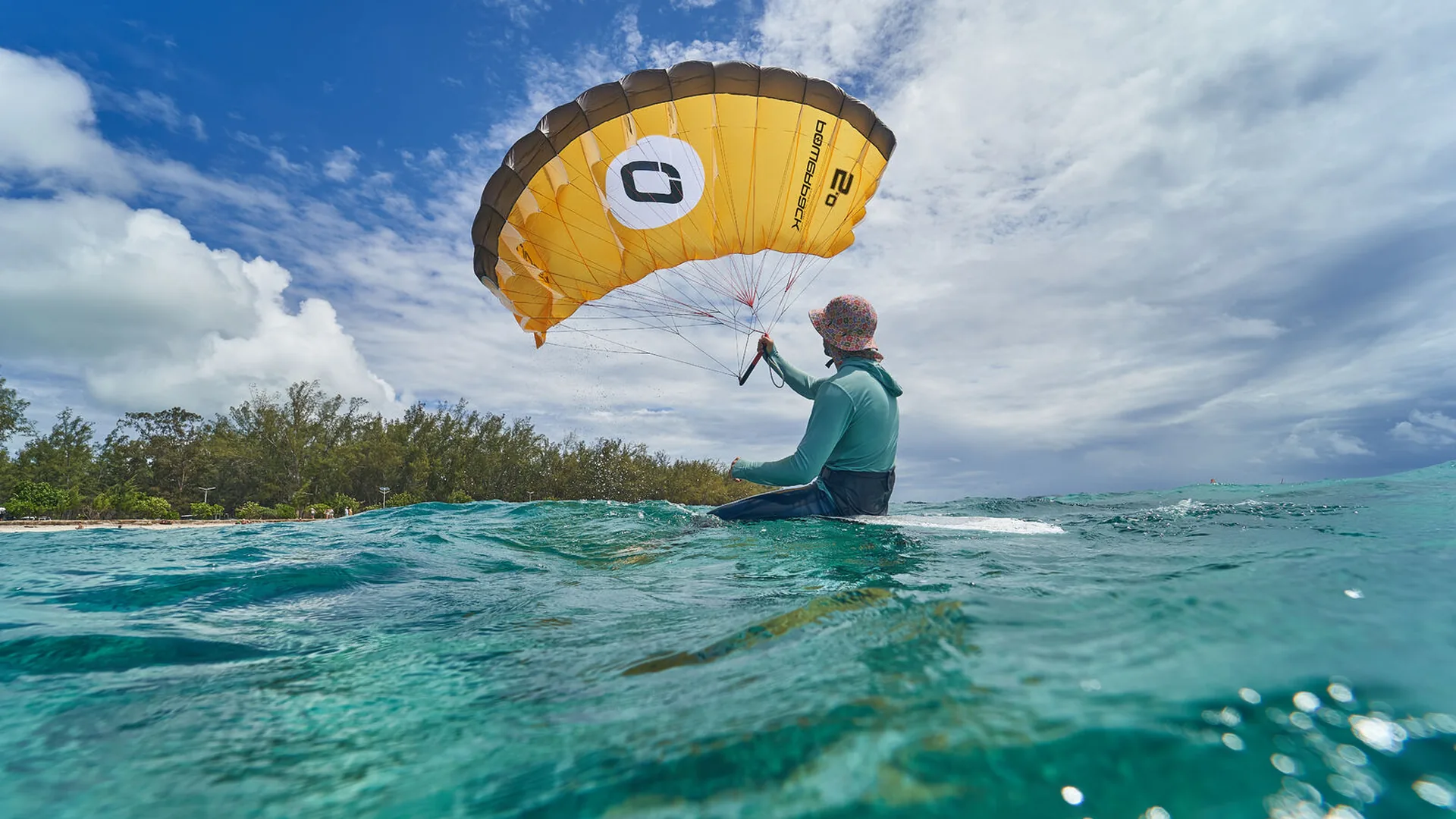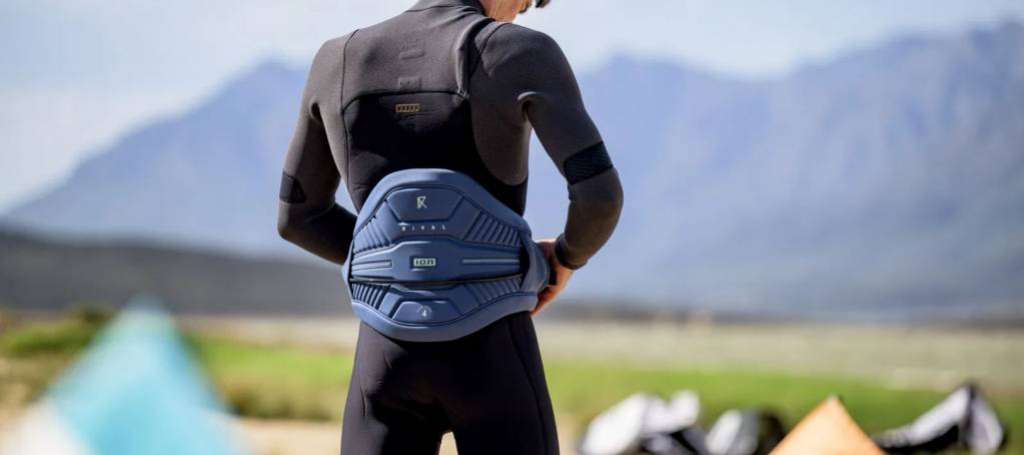
A kitesurf harness transfers the kite's pull to your body. A well-fitted harness stays stable without compressing your ribs or unnecessarily restricting movement. If it's poorly adapted, it can ride up, twist, or create pressure points.
This guide breaks down the differences between soft, hybrid, and rigid waist harnesses and seat harnesses. Your ideal choice hinges on your body shape, your riding style, your spreader bar, and most crucially, how it feels when you try it on under tension.
In short: How to choose?
- Prioritize mobility: Start by trying a soft or hybrid waist harness.
- Prioritize support: Compare several shells and curvatures. Don't assume the most rigid option will be the best.
- Harness rides up: Try a lower cut or a seat harness.
- Correct size: Follow the model's guide and confirm the fit with the spreader bar.
- Before purchase: Check what is included, availability, and compatibility of parts.
Comparing Kitesurf Harness Types
First, choose between a waist harness and a seat harness. Then, consider the level of stiffness you need.
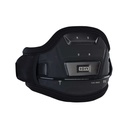
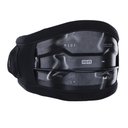
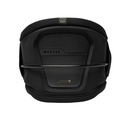
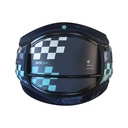
In the shop, one example per type: soft waist harness ION Riot Curv 2026, hybrid waist harness Mystic Majestic 2026, hard shell waist harness Ride Engine Elite Carbon Hyperlock, seat harness ION B2 2026, and for women the waist harness Mystic Gem 2026.
| Type | Support | Mobility | Common profile |
|---|---|---|---|
| Soft waist | Progressive | High | Freeride, comfort, and freedom of movement |
| Hybrid waist | Balanced | Intermediate | Regular and versatile riding |
| Rigid waist | Precise | More limited | Rider seeking firm back support |
| Seat harness | Low on the hips | Different from a waist harness | Stability and limits riding up |
Soft waist harness
This harness easily follows your movements and is more forgiving of posture changes. Make sure it doesn't fold excessively under traction and stays below your ribs.
Hybrid waist harness
This harness combines a structured back area with more flexible parts. It's a versatile option, provided the curvature truly matches your back.
Rigid waist harness
Its shell limits deformation and distributes traction differently. A fitting under tension is essential, as a poorly adapted shell can create pressure points.
Seat harness
Its leg straps keep the hook lower and limit riding up. It offers a different feel and can reduce freedom of movement compared to a waist harness.
How do I choose the right size?
Always use the size guide for your specific model, then try on the harness with its intended spreader bar. It needs to be snug enough to prevent excessive rotation or riding up under upward traction, but never so tight that it restricts your breathing. If you're between sizes, an in-person fitting is crucial: cuts vary significantly between models and even different production years.
How to choose your kitesurf harness
There's no single best harness for everyone. The right choice depends on your body shape, riding style, and the specific ride feel you're after. Focus your comparison on lateral support, back height, freedom of rotation, and spreader bar compatibility.
Trying it on beats the specifications every time
Your harness needs to stay stable without compressing your ribs or creating any pressure points. Try it on snugly, simulating both upward and forward traction. Double-check that the hook and straps are suitable for your intended use, along with the closure system.
Which kitesurf harness fits your budget?
Price is primarily driven by construction, stiffness, the spreader bar, and the materials used. Always compare what's included: some harnesses are sold without a hook bar.
Budget-friendly options
Opt for a simple, well-fitting model that's readily available, rather than an ill-suited high-end technology. A seat harness can be a smart choice if stability is your top priority.
Mid-range wetsuits
Hybrid constructions typically strike a good balance between support and freedom of movement. This category often offers the widest range of choices for freeride and regular sessions.
High-end wetsuits
Stiffer shells and lightweight materials are designed for precise support. They demand particularly careful adjustment and aren't automatically suitable for every body build.
Prices and availability are always changing: check the category page or ask for an in-store verification before making your final decision.
Which harness for your riding style?
While your riding style guides the level of support you need, your body shape and overall comfort remain the most critical factors.
- Freeride and long sessions: Look for a balance between support and freedom of movement.
- Waves and strapless: Prioritize a harness that allows your torso to rotate freely without creating pressure points.
- Freestyle: Check the hook's stability and ensure you have the freedom of movement needed for rotations.
- Big air: You'll want precise support and a stable closure, without any over-compression.
- Harness rides up: Try a different waist height or a seat harness; don't base your choice solely on stiffness.
- Back pain: Consult a healthcare professional and try several shapes; a harness is not a medical device.
How to compare harness brands
When it comes to harnesses, ION, Mystic, Ride Engine, and Manera each offer unique constructions and curvatures. Instead of generalizing about the sizing or comfort of an entire brand, it's more helpful to compare two specific models.
- Compare the curvature: It should conform to your back without creating any pressure points.
- Check the spreader bar: Consider its width, closure, hook, and whether it's included in the price.
- Test under tension: Pull upwards then forwards, using the actual settings you'll ride with.
- Inspect wear parts: Look at the straps, buckles, seams, and the availability of replacement parts.
5 mistakes to avoid when choosing your harness
- Choosing without trying it on: The same size can have vastly different volumes and shapes depending on the model.
- Getting one too big: A harness that's too large risks riding up or twisting under traction.
- Don't just go by price or stiffness: the most expensive or stiffest model isn't always the right one for you.
- Don't forget the spreader bar: always check its presence, width, locking system, and compatibility.
- Never neglect care: rinse with fresh water, dry in the shade, and regularly inspect the straps, seams, hook, and closure.
GlissEvolution Team Advice
Don't pick a harness based only on a chart or an online review. A good harness stays stable under traction, but still lets you breathe, twist your torso, and flex. Our team in Pornichet can help you compare different shapes and check the spreader bar adjustment.
Frequently Asked Questions
What is a kitesurf harness?
It connects the rider to the bar. It transfers the kite's pull to your body. The two main types are the waist harness and the seat harness.
What is the best kitesurf harness?
There is no single best model. The right harness depends on your body shape, riding style, and the support you need. You also need to test it under tension.
Waist or seat harness for beginners?
The seat harness generally limits riding up because of its thigh straps. A well-adjusted waist harness can also work. Comfort and stability under traction must confirm your choice.
Soft, hybrid, or rigid?
A soft model offers more mobility. A hybrid seeks a balance. A rigid shell further limits deformation. Stiffness alone does not determine comfort or quality.
How do I choose the right size?
Check the model guide. Mount the intended spreader bar. Then test the tightening and traction. The harness should not restrict breathing, rotate, or ride up under your ribs.
My harness rides up: what should I check?
Check the size, tightness, hook height, and harness shape. If the problem continues, try a different cut or a seat harness.
Where can I try a harness in Pornichet?
GlissEvolution offers advice and harness fittings at our Pornichet store. Call us at 09 62 64 74 77 before you visit to confirm available models and sizes.
Related guides for gearing up
Also read
View available harnesses
Models, sizes, prices, and sale items change frequently. Check the updated category or contact our team before visiting.
Need personalized advice?
Come try the available models in-store before you buy. Our team will help you compare shapes and settings to find the perfect fit for your body size/build and riding style.
Make an appointment Call us View all harnesses
Things to Consider
Support from your harness depends on your body size/build, how you adjust it, and the spreader bar, as much as it does on the stated stiffness. A stiffer harness isn't automatically more comfortable. Trying it on is crucial, especially if you experience back pain.
Source and Limitations: These recommendations come from the GlissEvolution team, based on our own tests and the IKO beginner guide. Cuts, available sizes, included equipment, and stock vary by model and year. Always check the product specifications and try on your harness under tension.