Pierre & Peter Stiewe debunk myths
📌 Quick Answer
Peter Stiewe, Eleveight's lead designer with over 20 years of experience, answers questions from Pierre (Les Coachings de Pierre) about common kitesurf myths: rinsing kites, inflation pressure, open/closed valves, knots on lines, size design, and board handles. The key takeaways: dry your kite before storage, avoid under-inflation, and check your lines.

Pierre, kitesurf coach and creator of the YouTube channel Les Coachings de Pierre, interviews Peter Stiewe, Eleveight's lead designer. With over 20 years of experience in designing high-end kites, Peter debunks popular beliefs about kitesurf gear maintenance and use. Pierre, also in charge of the OLK House in Brazil, shares this valuable interview series for passionate kite enthusiasts.
In 30 seconds
- Rinsing kites: It's not mandatory, but completely drying your kite before storage is essential.
- Inflation: Over-inflating with a hand pump is nearly impossible. Under-inflation is a common problem that damages your kite.
- Valve: clips open to limit damage in a crash, clips closed for safety in case of a leak
- Knots on lines: An invisible danger, knots alter both resistance and length. This is critical for big air.
- Size design: Each kite size is individually optimized, not just scaled up or down.
- Board handle: no real impact on pop, its removal is purely aesthetic
Summary
The full video
Speakers
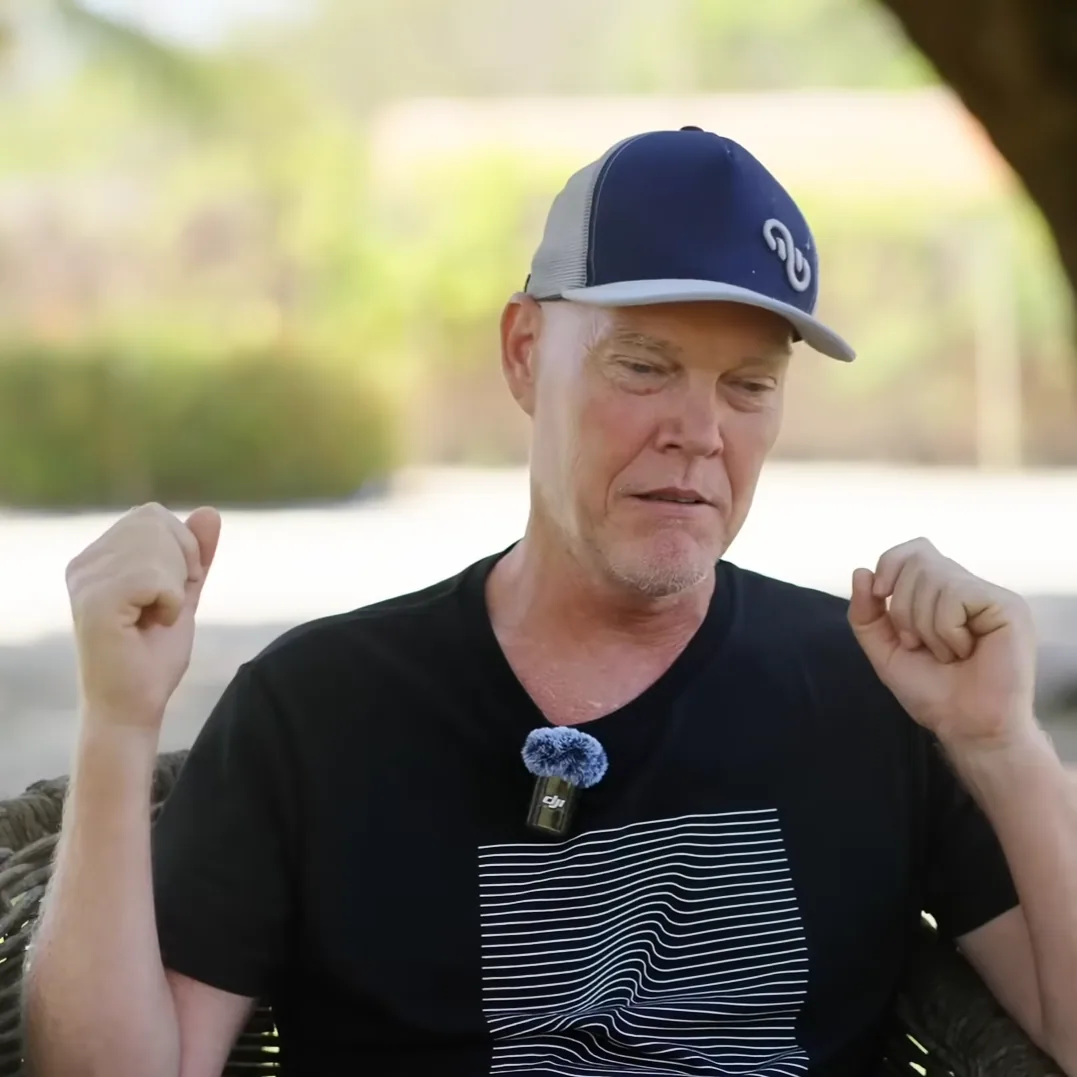
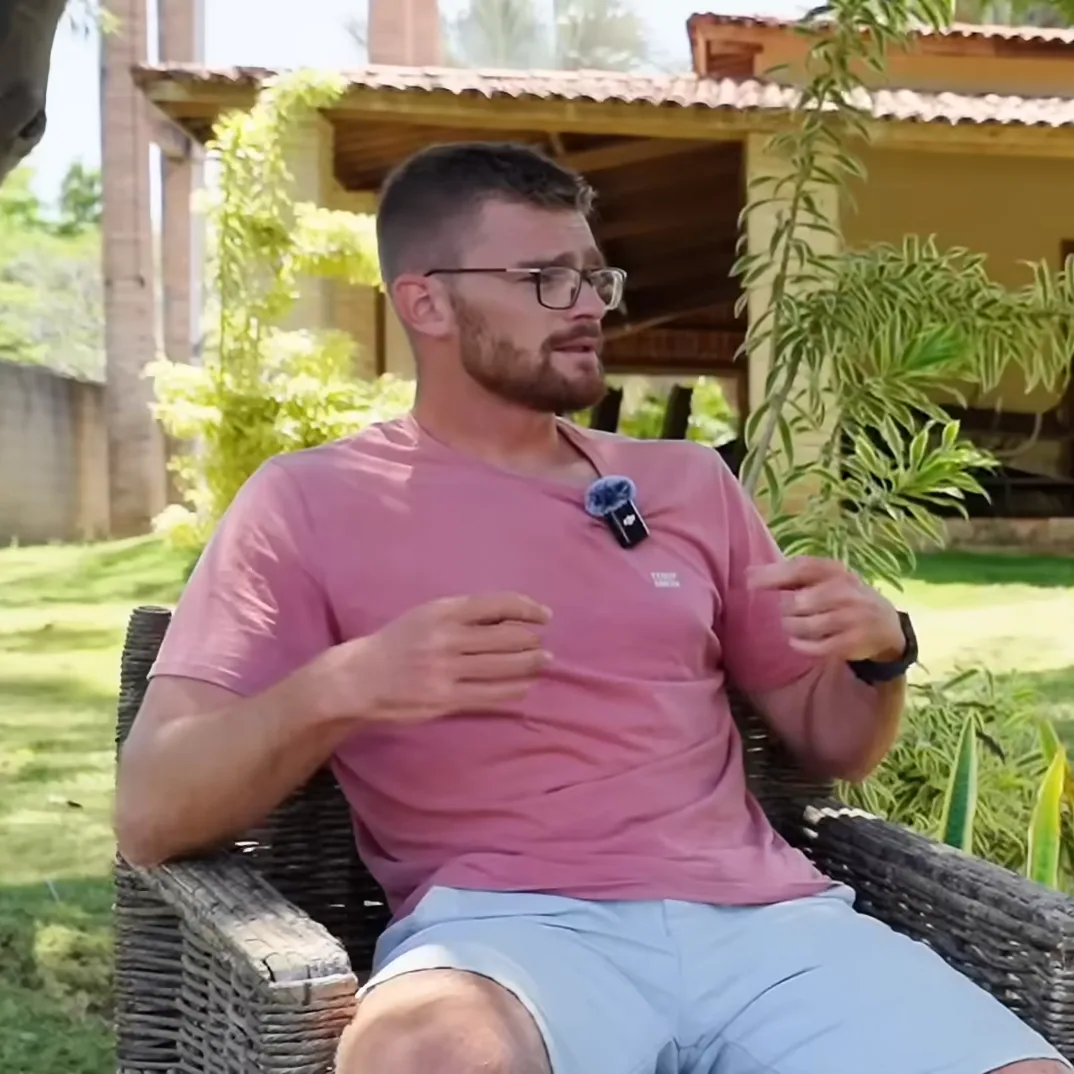
Pierre: kitesurf coach, creator of Les Coachings de Pierre, OLK House manager (Brazil)
Peter Stiewe: Eleveight lead designer, +20 years of kite design experience
Care: rinsing and inflation
Rinsing and storing kites
Salt is hygroscopic. It retains moisture and promotes wear on your kite's coatings. Complete drying before storage is crucial to prevent damage and mold. Peter Stiewe clarifies that rinsing your kite isn't mandatory. But if you do rinse it, you must dry it thoroughly afterward. The main thing is never to store a wet or salty kite.
Inflation pressure
Good news: it's very difficult to overinflate a kite with a hand pump. Under-inflation is a frequent and detrimental problem. An under-inflated kite loses stiffness, deforms more under stress, and can weaken faster. Peter's advice: inflate firmly without fear of overdoing it.
Safety: valves and lines
Valves open or closed while riding?
A topic that divides kitesurfers. Leaving valve clips open can theoretically limit damage during a violent crash (overpressure escapes). But in case of a leak or puncture, closed clips facilitate the safety and buoyancy of the equipment. Peter recommends finding the approach that suits each rider based on their riding style and conditions.
Knots on lines: an invisible danger
A knot on a line changes its resistance and length. This directly impacts control and safety. This point is especially critical in big air or windy conditions, particularly for heavier riders who put more stress on the lines. Peter insists: checking your lines before each session is a habit you should always adopt.
Design: aesthetics and accessories
Each kite size is optimized.
Contrary to popular belief, kites are not simply scaled from one size to another. At Eleveight, each size in a range is developed and tuned specifically. This ensures consistent behavior across the entire size range. Peter explains that the design and tuning work is done individually. This ensures each kite offers the same ride feel, whether it's 7 or 12 m².
Board handle and pop
The idea that the board handle degrades pop is more of a freestyle trend than a mechanical reality. Peter confirms that removing it is primarily aesthetic and has no significant impact on performance. Everyone can decide based on their comfort and preferences.
Discover Eleveight
Also Read
Check out our kitesurf guides and tutorials. We cover everything from general kite guides to specific advice on kitesurf kites, bars, and kitesurf boards.
Need advice on your kite gear?
Our team is here to help you choose and maintain your kitesurf equipment.
Pornichet Store, 2C Avenue du Gulf Stream, 09 62 64 74 77
This article is based on a video by Pierre (Les Coachings de Pierre) with Peter Stiewe (Eleveight designer). We thank them for this valuable content.
Key Features
| Section | Key takeaway |
|---|---|
| Speakers | Pierre: kitesurf coach, founder of Les Coachings de Pierre, manager of OLK House (Brazil). Peter Stiewe: lead designer at Eleveight, with over 20 years of experience in kite design. × × |
| Rinsing and storing kites | Salt is hygroscopic. It retains moisture and promotes wear on the kite's coatings. |
| Inflation pressure | Good news: overinflating a kite with a manual pump is very difficult. |
| Valves open or closed while riding? | This topic divides kitesurfers. |
| Knots on lines: an invisible danger | A knot on a traction line changes its resistance and length. This directly impacts control and safety. |
| Each kite size is optimized. | Contrary to popular belief, kites are not simply scaled from one size to another. |
| Board handle and pop | The idea that a board handle degrades pop is more of a freestyle trend than a mechanical reality. |
| Need advice on your kite gear? | Our team is here to help you choose and maintain your kitesurf equipment. |
Frequently Asked Questions
Speakers: key takeaways
Pierre: kitesurf coach, founder of Les Coachings de Pierre, manager of OLK House (Brazil). Peter Stiewe: lead designer at Eleveight, with over 20 years of experience in kite design. × ×
Rinsing and storing kites: key takeaways
Salt is hygroscopic. It retains moisture and promotes wear on the kite's coatings. Complete drying before storage is crucial to prevent damage and mold.
Inflation pressure: key takeaways
Good news: it's very difficult to overinflate a kite with a manual pump. Under-inflation, however, is a frequent and detrimental problem.
Valves open or closed while riding?
This topic divides kitesurfers. Leaving valve clips open can theoretically limit damage during a violent crash. Overpressure escapes.
Knots on lines: an invisible danger: key takeaways
A knot on a traction line changes its resistance and length. This directly impacts control and safety. This point is particularly critical in big air or windy conditions, especially for heavier riders who put more stress on the lines.
Each kite size is optimized: key takeaways
Contrary to a persistent belief, kites are not simply scaled from one size to another. At Eleveight, each size in a range is specifically developed and tuned. This ensures consistent behavior across the entire size range.
Got a question about the gear mentioned here?
The GlissEvolution team rides what they sell. They are available to answer your questions in person at the Pornichet store or by phone.